
AI-Driven Incident Response and Automation: Transforming Modern Cybersecurity
Cybersecurity teams are facing a challenge unlike anything seen before. Modern organizations must deal with thousands of security alerts every day, while cybercriminals continue to launch increasingly sophisticated attacks. Traditional incident response methods, which rely heavily on manual investigation and decision-making, often struggle to keep pace with the speed and scale of modern threats.
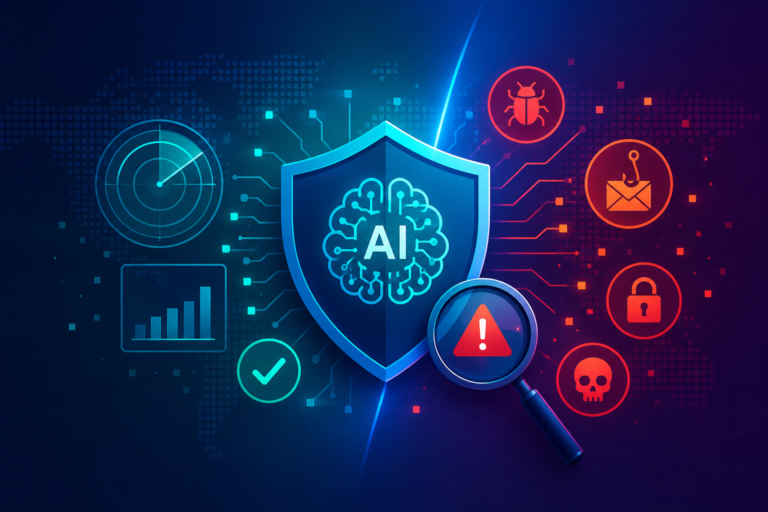
This is where AI-driven incident response and automation are changing the game. By combining artificial intelligence, machine learning, and automated workflows, organizations can identify, investigate, and respond to security incidents much faster than ever before. Instead of spending hours analyzing alerts, security teams can focus on strategic tasks while AI handles repetitive processes.
According to IBM’s Cost of a Data Breach Report, organizations that extensively use AI and automation in security operations save millions in breach-related costs compared to organizations that do not. As cyber threats continue to evolve, AI-powered incident response is becoming a critical component of modern cybersecurity strategies.
What Is AI-Driven Incident Response and Automation?
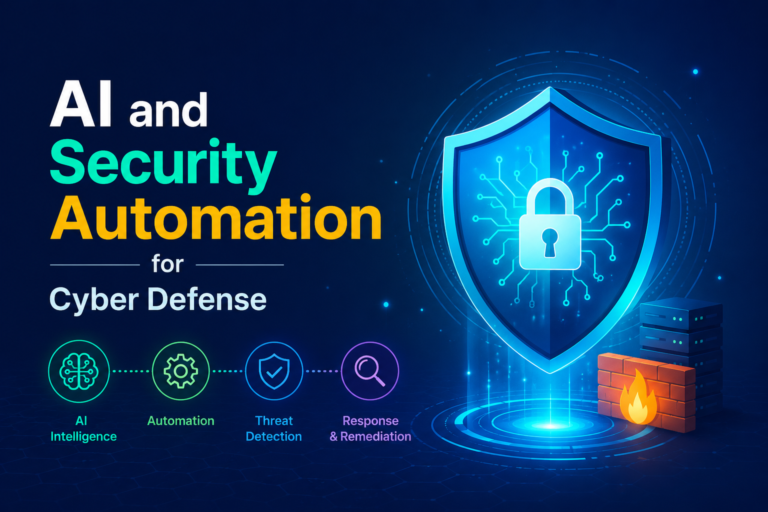
AI-driven incident response and automation refers to the use of artificial intelligence technologies to detect, analyze, prioritize, and respond to cybersecurity incidents with minimal human intervention.
At its core, AI-driven incident response combines machine learning algorithms, behavioral analytics, and automation tools to improve security operations. These technologies analyze massive volumes of security data in real time, helping organizations detect threats that might otherwise go unnoticed. AI systems can learn from historical incidents and continuously improve their ability to recognize malicious behavior.
Traditional vs. AI-Powered Incident Response
Traditional incident response typically depends on manual investigation, rule-based alerts, and human decision-making. While effective in certain situations, this approach often struggles with large-scale environments. AI-powered incident response introduces automation and intelligent analysis, enabling organizations to process thousands of alerts quickly, reduce response times, and improve threat detection accuracy.
💚 You might also like: https://aimastars.com/ai-vs-human-creativity/
Why Organizations Are Adopting AI Security Operations
Businesses are adopting AI-driven security operations because cyber threats are growing both in volume and complexity. Security teams frequently face staffing shortages and alert fatigue. AI helps fill these gaps by automating repetitive tasks, accelerating investigations, and improving overall operational efficiency while reducing the risk of human error.
Why Traditional Incident Response Is No Longer Enough
Organizations now operate across hybrid environments that include cloud platforms, remote workforces, mobile devices, and Internet of Things (IoT) systems. These expanding attack surfaces create opportunities for cybercriminals while making security management significantly more difficult.
Rising Volume of Cyber Threats
Cyberattacks continue to increase globally. Security platforms generate thousands of alerts daily, making it nearly impossible for analysts to manually investigate every event. Threat actors are also leveraging automation and artificial intelligence to launch attacks at scale, forcing defenders to adopt more advanced security technologies.
Alert Fatigue Among Security Teams
One of the biggest challenges facing Security Operations Centers (SOCs) is alert fatigue. Analysts are often overwhelmed by large numbers of notifications, many of which turn out to be false positives. This constant pressure can lead to missed threats, slower response times, and employee burnout, ultimately increasing organizational risk.
Increasing Complexity of IT Environments
Modern enterprises operate across multiple platforms and technologies. Security teams must monitor cloud services, on-premises systems, applications, remote devices, and third-party integrations simultaneously. Traditional incident response methods cannot efficiently manage this level of complexity without introducing delays and operational bottlenecks.
Growing Need for Real-Time Threat Mitigation
Cybercriminals can compromise systems within minutes, making rapid response essential. Delayed action can result in data breaches, ransomware infections, financial losses, and reputational damage. Organizations require real-time detection and response capabilities that can automatically contain threats before they spread throughout the environment.
How AI Enhances the Incident Response Lifecycle
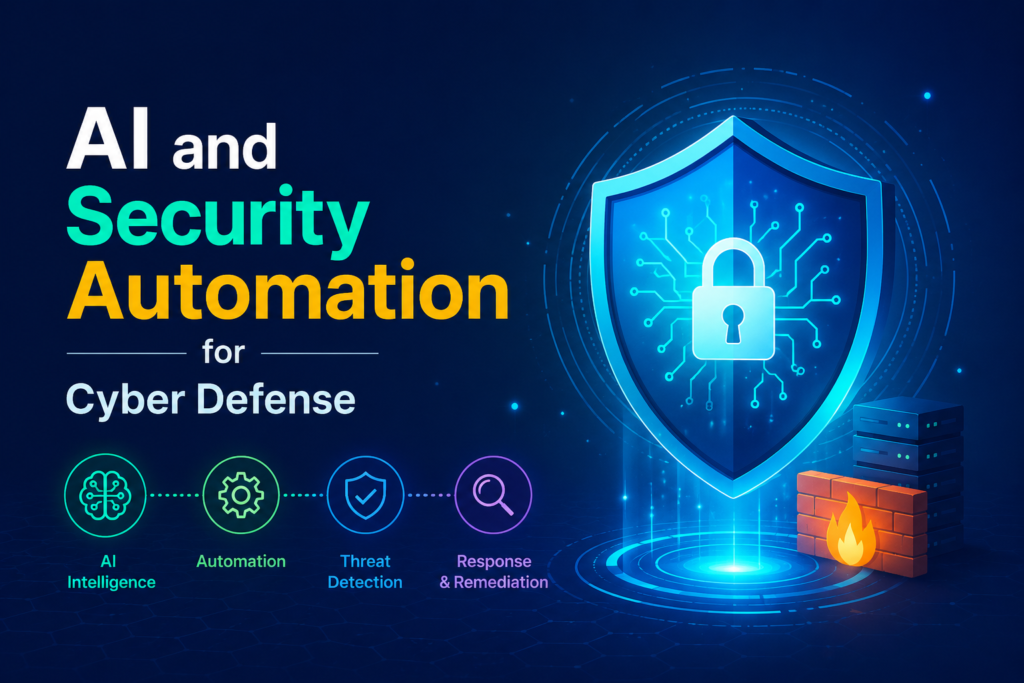
AI improves every stage of the incident response lifecycle, from initial detection to post-incident analysis. By automating routine processes and providing intelligent insights, AI enables security teams to respond more effectively while reducing operational workloads.
Threat Detection
Artificial intelligence continuously monitors network traffic, user behavior, endpoint activities, and system logs to identify suspicious patterns. Unlike traditional signature-based tools, AI can detect previously unknown threats by analyzing anomalies and behavioral indicators.
💚 You might also like: https://aimastars.com/ai-powered-threat-detection-systems/
Investigation and Analysis
AI accelerates investigations by correlating data from multiple security sources. Instead of manually reviewing logs and alerts, analysts receive contextual insights that highlight potential attack paths, affected assets, and threat severity. This reduces investigation times and improves decision-making accuracy during security incidents.
Prioritization of Security Incidents
Not every security alert requires immediate attention. AI systems evaluate risk levels based on threat intelligence, asset value, and attack behavior. By prioritizing high-risk incidents, organizations can allocate resources more effectively and ensure critical threats receive immediate attention.
Automated Containment and Remediation
One of AI’s most valuable capabilities is automated response. When a threat is detected, AI-powered systems can isolate infected devices, block malicious IP addresses, disable compromised accounts, and initiate remediation workflows automatically. These actions help minimize damage and reduce response times significantly.
Continuous Learning and Improvement
Machine learning models improve over time by analyzing new attack patterns and security incidents. As AI systems process more data, they become increasingly accurate at identifying threats and recommending response actions. This continuous learning enables organizations to stay ahead of evolving cyber threats.
Key Technologies Behind AI-Driven Security Automation
AI-driven incident response relies on several advanced technologies working together to improve cybersecurity operations. These technologies enable organizations to detect threats faster, automate investigations, and reduce the burden on security teams. As cyberattacks become more sophisticated, businesses increasingly depend on intelligent systems to strengthen their defenses and improve operational efficiency.
Machine Learning (ML)
Machine learning helps security systems identify patterns and anomalies within massive datasets. By learning from historical attack data, ML models can detect unusual activities that may indicate malware infections, insider threats, or unauthorized access attempts. This enables organizations to identify risks before significant damage occurs.
Deep Learning Algorithms
Deep learning uses neural networks to process complex security information and uncover hidden relationships within data. These algorithms are particularly effective at identifying advanced threats that traditional security tools may overlook. Deep learning also improves detection accuracy by continuously adapting to evolving attack techniques.
Natural Language Processing (NLP)
NLP enables security platforms to analyze threat intelligence reports, security bulletins, and unstructured data from various sources. This technology helps organizations quickly understand emerging threats and incorporate valuable intelligence into their incident response strategies.
Behavioral Analytics
Behavioral analytics focuses on understanding how users, devices, and applications normally operate. When unusual behavior occurs, such as abnormal login patterns or unexpected data transfers, AI systems can flag the activity for investigation and potential response actions.
💚 You might also like: https://aimastars.com/best-ai-coding-assistants-2026/
Security Orchestration, Automation, and Response (SOAR)
SOAR platforms integrate multiple security tools into a centralized environment. AI enhances SOAR by automating workflows, prioritizing alerts, and recommending remediation actions. This combination significantly improves response efficiency and reduces manual workloads.
Major Benefits of AI-Powered Incident Response
Organizations adopting AI-powered incident response gain significant advantages in speed, accuracy, and operational effectiveness. As cyber threats continue to evolve, businesses require solutions capable of responding to incidents in real time while minimizing disruption and reducing security risks.
Faster Detection and Response Times
AI continuously monitors systems and identifies suspicious activities within seconds. Automated response mechanisms can immediately isolate compromised devices or block malicious traffic, reducing the time attackers have to exploit vulnerabilities.
Reduced Operational Costs
Security automation decreases the need for manual investigations and repetitive tasks. According to industry research, organizations using AI-driven security solutions often experience lower breach-related expenses and improved resource allocation.
Improved Threat Accuracy
AI analyzes vast amounts of security data and correlates information from multiple sources. This improves threat detection accuracy and helps reduce false positives, allowing analysts to focus on genuine security incidents.
Scalability for Large Organizations
As businesses grow, their security environments become more complex. AI-driven systems can handle increasing volumes of alerts and data without requiring proportional increases in staffing or infrastructure.
Reduced Workload for Security Analysts
By automating routine tasks, AI allows cybersecurity professionals to focus on strategic initiatives, threat hunting, and advanced investigations rather than repetitive manual processes.
Real-World Use Cases of AI in Incident Response
AI-driven incident response is no longer a theoretical concept. Organizations across various industries are actively using AI technologies to strengthen their security operations and improve resilience against cyber threats.
Automated Malware Containment
When malware is detected, AI systems can automatically isolate infected devices, block malicious processes, and prevent lateral movement across networks. This rapid containment helps limit the impact of cyberattacks.
Phishing Attack Detection and Mitigation
AI analyzes email content, sender behavior, and communication patterns to identify phishing attempts. Suspicious messages can be quarantined automatically before employees have an opportunity to interact with them.
Insider Threat Monitoring
Behavioral analytics enables organizations to identify unusual employee activities that may indicate insider threats. AI can detect unauthorized access attempts, abnormal file transfers, and policy violations in real time.
Endpoint Security Automation
AI-powered endpoint protection platforms continuously monitor devices for malicious behavior. Automated responses can block threats, initiate remediation actions, and provide detailed incident reports for further analysis.
💚 You might also like: https://aimastars.com/ai-agents-vs-chatbots/
Cloud Security Incident Management
Cloud environments generate enormous amounts of security data. AI helps organizations monitor cloud resources, identify misconfigurations, detect unauthorized access, and respond to incidents more efficiently.
AI and SOAR: Building an Automated Security Operations Center
Modern Security Operations Centers (SOCs) face increasing pressure to manage large volumes of alerts while maintaining rapid response capabilities. AI combined with SOAR technology creates a more efficient and proactive security environment.
Understanding SOAR Platforms
SOAR platforms centralize security operations by integrating multiple tools, workflows, and threat intelligence sources. They streamline incident management and help organizations coordinate responses more effectively.
How AI Strengthens SOAR Capabilities
AI improves SOAR by analyzing alerts, identifying priorities, and recommending response actions. This intelligence enables faster decision-making and reduces the need for constant human intervention.
Automated Workflows and Playbooks
Security teams can create predefined playbooks that automatically execute specific actions when threats are detected. These workflows ensure consistent and timely responses across various security scenarios.
Creating a Proactive Security Environment
AI-powered SOAR systems help organizations move from reactive security practices to proactive threat management. By identifying risks early, businesses can prevent incidents before significant damage occurs.
Challenges and Risks of AI-Driven Incident Response
While AI offers substantial benefits, organizations must also understand its limitations and potential risks. Successful implementation requires careful planning, governance, and ongoing oversight.
False Positives and False Negatives
AI systems are not perfect. Incorrect classifications can generate unnecessary alerts or miss legitimate threats. Organizations must continuously monitor and refine AI models to maintain effectiveness.
AI Model Bias and Limitations
The quality of AI decisions depends heavily on training data. Biased or incomplete datasets can reduce detection accuracy and create security blind spots.
Data Privacy and Compliance Concerns
AI systems often process sensitive information. Organizations must ensure compliance with privacy regulations and implement appropriate safeguards to protect customer and business data.
💚 You might also like: https://aimastars.com/trending-products-to-sell-online-2026/
Adversarial AI Attacks
Cybercriminals are increasingly attempting to manipulate AI models through adversarial techniques. These attacks can confuse detection systems and reduce their effectiveness.
Human Oversight Requirements
Despite automation capabilities, human expertise remains essential. Security professionals must validate critical decisions, investigate complex incidents, and continuously improve security strategies.
Best Practices for Implementing AI Incident Response Solutions
Organizations seeking to adopt AI-driven incident response should follow proven best practices to maximize effectiveness and minimize implementation challenges.
Define Clear Security Objectives
Establish measurable goals before deploying AI solutions. Clear objectives help organizations evaluate performance and align technology investments with business priorities.
Select the Right AI Security Tools
Different organizations have different security requirements. Businesses should evaluate vendors carefully and choose solutions that integrate effectively with existing infrastructure.
Integrate with Existing Security Infrastructure
AI systems deliver the greatest value when connected to existing security tools, threat intelligence platforms, and monitoring systems. Proper integration improves visibility and response efficiency.
Train Security Teams
Employees must understand how AI systems operate and how to interpret AI-generated insights. Training ensures successful adoption and effective collaboration between humans and automated systems.
Measure Performance and ROI
Organizations should regularly evaluate key metrics such as detection accuracy, response times, and operational efficiency to assess the effectiveness of AI-driven security investments.
The Future of AI-Driven Incident Response and Security Automation
Artificial intelligence is expected to play an increasingly important role in cybersecurity over the coming years. Emerging technologies will continue to reshape how organizations detect, investigate, and respond to threats.
Autonomous Security Operations Centers
Future SOCs may operate with significantly higher levels of automation, allowing organizations to respond to threats with minimal human intervention while maintaining strong security controls.
Predictive Threat Intelligence
AI is evolving beyond reactive detection. Advanced systems can predict potential attack patterns and identify vulnerabilities before cybercriminals exploit them.
Generative AI in Cybersecurity
Generative AI is helping security teams create automated reports, summarize investigations, and accelerate threat analysis. These capabilities improve efficiency and support faster decision-making.
💚 You might also like: https://aimastars.com/how-to-create-ai-chatbots-for-whatsapp-websites/
AI-Human Collaboration Models
The most effective cybersecurity strategies will combine human expertise with AI-driven automation. This partnership enables organizations to benefit from both analytical intelligence and human judgment.
Emerging Trends Shaping Cybersecurity Beyond 2026
Advancements in machine learning, cloud security, threat intelligence, and autonomous response technologies will continue to transform cybersecurity. Organizations that embrace innovation will be better positioned to defend against future threats.
Conclusion
AI-driven incident response and automation are revolutionizing modern cybersecurity. By combining artificial intelligence, machine learning, behavioral analytics, and automation technologies, organizations can detect threats faster, improve response accuracy, and reduce operational costs. While challenges such as data privacy, AI bias, and adversarial attacks remain important considerations, the benefits of intelligent security automation are becoming impossible to ignore.
As cyber threats continue to grow in sophistication, organizations must move beyond traditional security approaches. AI-powered incident response provides the speed, scalability, and intelligence required to protect modern digital environments. The future of cybersecurity will not be defined by humans or AI alone, but by effective collaboration between both.
Stay ahead of the curve. Follow AI Mastars.