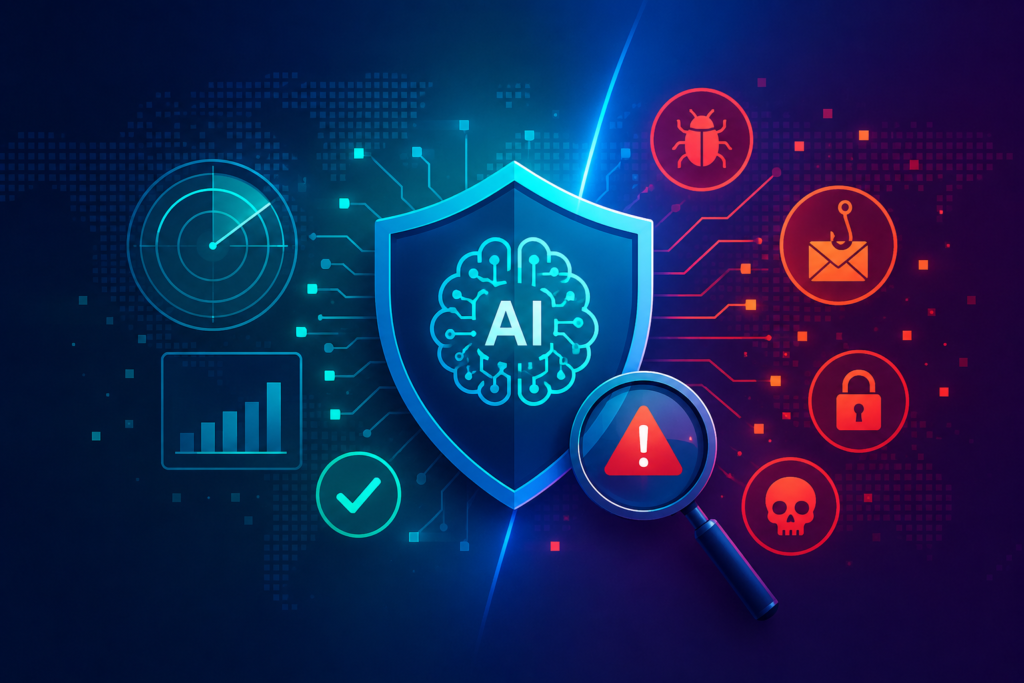

AI-Powered Threat Detection Systems: Transforming Modern Cybersecurity
What Are AI-Powered Threat Detection Systems?
AI-powered threat detection systems are advanced cybersecurity solutions that use artificial intelligence, machine learning, and behavioral analytics to identify suspicious activities and potential cyber threats. Unlike traditional security tools that depend heavily on predefined signatures and static rules, AI systems continuously learn from data and adapt to new attack patterns. As cybercriminals develop more sophisticated techniques, businesses require intelligent security solutions that can respond quickly and accurately. These systems help organizations monitor digital environments, reduce security risks, and improve threat visibility across networks, cloud platforms, applications, and endpoint devices.
How AI Differs from Traditional Threat Detection
Traditional cybersecurity tools focus on known attack signatures and manually configured rules. While effective against previously identified threats, they often fail to detect emerging attacks. AI-powered systems analyze large volumes of data and identify unusual behavior patterns automatically. This capability enables organizations to uncover hidden threats that conventional security tools may overlook and respond before significant damage occurs.
Why Organizations Are Adopting AI-Driven Cybersecurity
Organizations are facing a rapidly growing number of cyberattacks every year. According to IBM’s Cost of a Data Breach Report, the global average cost of a data breach reached $4.88 million in 2024. AI helps businesses reduce response times, automate security operations, and improve detection accuracy. As a result, companies can strengthen cybersecurity defenses while managing resources more efficiently.
How AI-Powered Threat Detection Works
AI-powered threat detection systems operate by collecting data from multiple digital sources and analyzing it using machine learning algorithms. These systems establish a baseline of normal user and network behavior, allowing them to detect anomalies that may indicate malicious activity. Once suspicious behavior is identified, alerts are generated or automated responses are triggered. Unlike traditional security solutions that require frequent manual updates, AI continuously learns from new information and evolving attack patterns. This adaptive approach helps organizations improve detection capabilities, reduce false positives, and maintain stronger protection against sophisticated cyber threats.
Data Collection and Behavioral Analysis
The detection process begins with gathering information from endpoints, networks, cloud environments, applications, and user activities. Behavioral analytics then evaluates this data to identify deviations from normal patterns. For example, if an employee suddenly accesses sensitive systems outside normal working hours, the AI system can recognize the anomaly and flag it for investigation before potential damage occurs.
Real-Time Detection and Continuous Learning
One of the greatest advantages of AI is real-time analysis. Security systems can process thousands of events every second and identify threats as they emerge. Machine learning models continuously improve by learning from historical and current data. This ongoing learning process allows organizations to stay protected against new attack methods without constantly rewriting detection rules.
💚 You might also like: https://aimastars.com/how-to-create-ai-chatbots-for-whatsapp-websites/
Key Components of an AI Threat Detection System
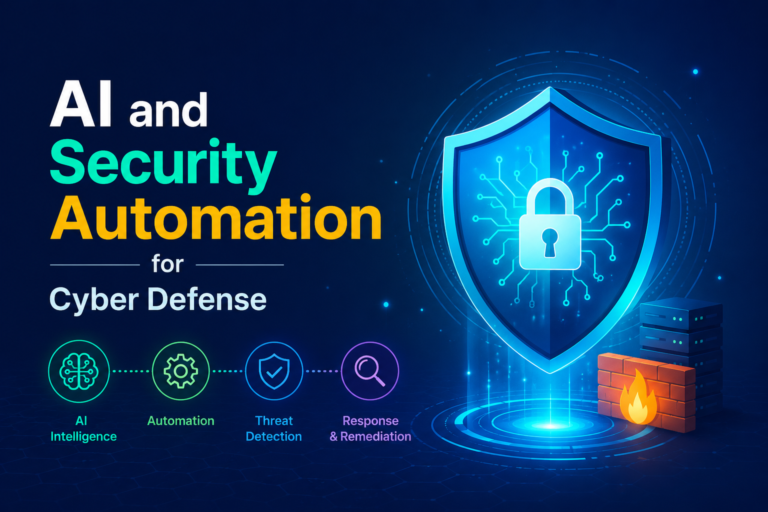
An AI threat detection system consists of several critical components that work together to identify, analyze, and respond to cyber threats. Data ingestion engines collect information from various sources, while machine learning models evaluate patterns and detect suspicious activities. Threat intelligence feeds provide context about known vulnerabilities and attack methods. Security Information and Event Management platforms centralize monitoring and investigation processes. Automated response tools help contain threats before they spread. Together, these technologies create a comprehensive security ecosystem capable of handling modern cyber risks more effectively than traditional security infrastructures.
Threat Intelligence and Machine Learning Models
Threat intelligence feeds provide up-to-date information about malicious domains, malware signatures, attack techniques, and threat actors. Machine learning models use this intelligence alongside organizational data to identify suspicious behavior. By combining external threat knowledge with internal activity monitoring, organizations can improve detection accuracy and gain deeper visibility into evolving cybersecurity risks.
Automated Response and Security Monitoring
Modern AI platforms not only detect threats but also respond automatically. These systems can isolate compromised devices, block malicious traffic, and alert security teams instantly. Continuous monitoring ensures that security professionals maintain visibility across all digital assets. Automated response mechanisms significantly reduce the time required to contain threats and prevent further damage.
Types of Cyber Threats AI Can Detect
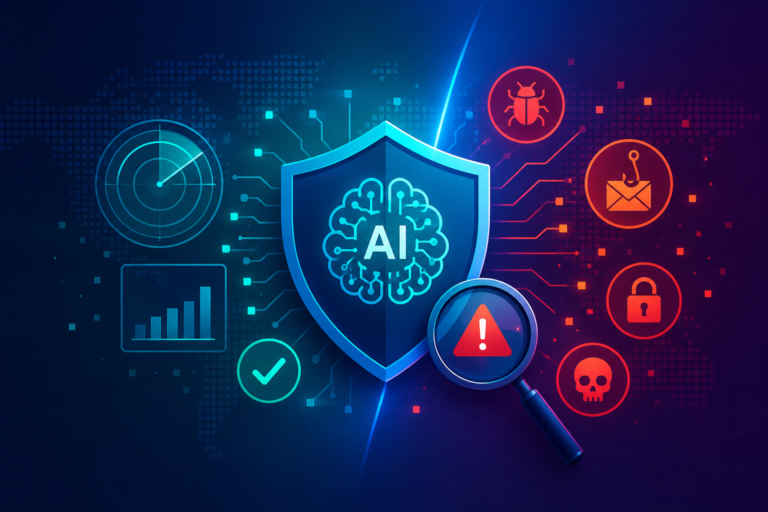
Cyber threats continue to evolve in complexity and scale, making traditional security approaches less effective. AI-powered threat detection systems can identify a wide range of cyber risks by analyzing patterns, behaviors, and anomalies. These systems excel at detecting malware infections, phishing campaigns, insider threats, network intrusions, and advanced persistent threats. Because AI continuously learns from new attack techniques, it can recognize suspicious activity even when no known threat signature exists. This ability enables organizations to defend against both common attacks and highly sophisticated threats that may bypass conventional cybersecurity controls.
Malware, Ransomware, and Phishing Attacks
AI can detect unusual file behavior, suspicious email activity, and malicious code execution patterns associated with malware and ransomware attacks. Machine learning algorithms analyze communication patterns and content characteristics to identify phishing attempts before users fall victim. Early detection helps organizations reduce financial losses and minimize operational disruption caused by cybercriminal activities.
Insider Threats and Advanced Persistent Threats
Insider threats often involve legitimate users abusing authorized access. AI systems monitor behavioral patterns and identify unusual activities that may indicate malicious intent. Advanced Persistent Threats are long-term attacks designed to remain hidden within networks. AI’s continuous monitoring capabilities make it highly effective at detecting subtle indicators associated with these sophisticated cyber campaigns.
💚 You might also like: https://aimastars.com/trending-products-to-sell-online-2026/
Benefits of AI-Powered Threat Detection Systems
AI-powered threat detection systems offer numerous advantages that help organizations strengthen their cybersecurity posture. These systems provide faster detection, enhanced accuracy, reduced false positives, and continuous monitoring capabilities. By automating repetitive security tasks, AI allows security professionals to focus on strategic decision-making and incident response. As cyber threats become increasingly sophisticated, AI-driven security solutions provide the scalability and adaptability needed to protect modern digital infrastructures across diverse business environments.
Faster Threat Detection and Reduced False Positives
Traditional security systems often generate thousands of alerts, many of which turn out to be false alarms. AI helps prioritize genuine threats by analyzing context and behavioral patterns. This significantly reduces alert fatigue among security teams and enables faster identification of critical incidents that require immediate attention.
Scalability and Predictive Security
AI systems can analyze massive volumes of data without sacrificing performance. This scalability makes them ideal for organizations with large and complex digital environments. Additionally, predictive analytics allows AI to identify potential vulnerabilities and emerging threats before they can be exploited, enabling a more proactive cybersecurity strategy.
AI vs Traditional Threat Detection Methods
The comparison between AI-powered and traditional threat detection highlights the growing importance of intelligent cybersecurity solutions. Traditional systems rely on predefined rules and known threat signatures, making them effective against familiar attacks but less capable of identifying new threats. AI systems leverage machine learning and behavioral analytics to detect anomalies and evolving attack techniques. This adaptability enables faster response times, greater accuracy, and improved security outcomes. As cyber threats continue to evolve, organizations increasingly recognize the limitations of conventional approaches and the benefits offered by AI-driven cybersecurity technologies.
Detection Speed and Accuracy
AI systems process large datasets in real time and identify suspicious activities within seconds. Traditional systems often require manual review and rule updates, slowing detection efforts. Because AI evaluates contextual information and behavioral indicators, it can identify threats more accurately and reduce the number of false positives generated during monitoring activities.
Adaptability to Emerging Threats
Traditional security tools struggle against zero-day attacks and previously unseen threats because they depend on known signatures. AI continuously learns from new data and adapts to changing attack techniques. This flexibility enables organizations to defend against emerging cyber risks without constantly updating manual detection rules.
Real-World Applications of AI in Threat Detection
AI-powered threat detection is being adopted across numerous industries to strengthen cybersecurity defenses and improve operational resilience. Organizations use AI to monitor cloud environments, protect sensitive customer information, detect fraudulent transactions, and secure critical infrastructure. Financial institutions leverage machine learning to identify suspicious payment activities, while healthcare organizations use AI to safeguard patient data. Government agencies and defense sectors also rely on AI-driven monitoring systems to detect national security threats. These practical applications demonstrate how artificial intelligence is transforming cybersecurity strategies worldwide.
Financial Services and Fraud Detection
Banks and financial institutions process millions of transactions daily. AI systems analyze transaction patterns and customer behavior to identify potentially fraudulent activities. This capability helps prevent financial losses while maintaining a seamless experience for legitimate customers. Machine learning models continuously improve detection accuracy as new fraud techniques emerge.
Healthcare, Government, and Enterprise Security
Healthcare organizations use AI to protect electronic health records from unauthorized access and cyberattacks. Government agencies deploy AI-driven monitoring solutions to secure critical infrastructure and sensitive information. Large enterprises utilize AI-powered threat detection to manage cybersecurity risks across distributed networks, cloud platforms, and remote work environments.
Challenges and Limitations of AI-Powered Threat Detection
Despite its significant advantages, AI-powered threat detection also faces several challenges. The effectiveness of AI depends heavily on data quality, training accuracy, and continuous model improvement. Poor-quality data can lead to inaccurate threat assessments and increased false positives. Cybercriminals are also developing techniques specifically designed to evade or manipulate AI systems. Additionally, organizations must address privacy concerns, regulatory requirements, and implementation costs when deploying AI-driven cybersecurity solutions. Understanding these limitations helps businesses develop realistic expectations and implement AI more effectively.
Data Quality and Algorithmic Challenges
Machine learning models rely on large datasets to identify threats accurately. Incomplete, biased, or outdated data can negatively impact performance and increase detection errors. Organizations must invest in data governance practices and ongoing model validation to ensure AI systems continue delivering reliable cybersecurity outcomes.
Privacy, Compliance, and Adversarial Attacks
AI systems often process large amounts of sensitive information, creating privacy and compliance challenges. Regulations such as GDPR require organizations to manage data responsibly. Furthermore, attackers may attempt adversarial attacks that manipulate AI models. Security teams must continuously monitor and strengthen AI systems to defend against these emerging risks.
Best Practices for Implementing AI Threat Detection Systems
Successful implementation of AI-powered threat detection requires careful planning and ongoing management. Organizations should begin by defining security objectives and identifying critical assets that require protection. Selecting the right AI solution involves evaluating scalability, integration capabilities, and threat detection performance. Employee training is equally important because human oversight remains essential for effective cybersecurity. Regular model updates, performance assessments, and continuous monitoring help maintain detection accuracy. By following best practices, organizations can maximize the value of AI investments and improve overall security effectiveness.
Selecting the Right Security Solution
Businesses should evaluate AI platforms based on detection accuracy, automation capabilities, integration options, and scalability. Choosing a solution that aligns with organizational goals and infrastructure requirements improves implementation success. Vendors with strong threat intelligence capabilities and proven cybersecurity expertise often deliver better long-term results.
Continuous Monitoring and Performance Evaluation
AI systems require regular monitoring to maintain effectiveness. Organizations should review detection metrics, investigate false positives, and retrain models when necessary. Continuous evaluation ensures that AI remains capable of identifying evolving cyber threats while supporting overall cybersecurity objectives and compliance requirements.
The Future of AI-Powered Threat Detection Systems
The future of cybersecurity will be heavily influenced by advancements in artificial intelligence. Emerging technologies are enabling more predictive and autonomous security capabilities that help organizations stay ahead of cybercriminals. AI-powered systems are becoming increasingly effective at threat hunting, risk assessment, and incident response automation. Industry experts predict that future security operations centers will rely heavily on AI to manage growing volumes of security data. As cyber threats continue to evolve, AI-driven cybersecurity solutions will play an increasingly critical role in protecting digital assets and maintaining business resilience.
Predictive Cybersecurity and Autonomous Defense
Future AI systems will focus on predicting attacks before they occur rather than simply reacting to them. Predictive analytics will analyze threat intelligence, vulnerability data, and behavioral patterns to identify potential risks. Autonomous defense capabilities will enable security systems to respond instantly without requiring human intervention for every incident.
Emerging Trends and Business Expectations
Generative AI, advanced threat hunting, and autonomous security operations centers are expected to shape the next generation of cybersecurity technologies. Organizations should prepare for increased automation, improved threat intelligence integration, and more sophisticated detection capabilities. Businesses that embrace these innovations will be better positioned to manage future cybersecurity challenges.
Conclusion
AI-powered threat detection systems have become an essential component of modern cybersecurity strategies. By combining machine learning, behavioral analytics, and automation, these solutions provide faster detection, improved accuracy, and stronger protection against evolving cyber threats. While challenges such as data quality and compliance remain important considerations, the benefits significantly outweigh the limitations. As cyberattacks continue to grow in frequency and sophistication, organizations that invest in AI-driven security technologies will be better equipped to safeguard their digital assets, maintain operational continuity, and strengthen long-term cyber resilience.
Frequently Asked Questions
What is an AI-powered threat detection system?
An AI-powered threat detection system uses artificial intelligence and machine learning to identify suspicious activities, detect cyber threats, and automate security responses. These systems continuously analyze data and adapt to evolving attack methods, improving overall cybersecurity effectiveness.
💚 You might also like: https://aimastars.com/ai-agents-vs-chatbots/
How does AI improve cybersecurity threat detection?
AI improves cybersecurity by analyzing large amounts of data in real time, identifying anomalies, reducing false positives, and detecting threats that traditional rule-based systems may miss. This enables faster and more accurate incident response.
Can AI detect zero-day attacks?
Yes. AI can identify unusual behaviors and anomalies associated with zero-day attacks, even when no known signature exists. This capability makes AI particularly valuable for defending against previously unseen cyber threats.
What are the limitations of AI in cybersecurity?
AI depends on high-quality data and effective model training. Challenges include false positives, privacy concerns, implementation costs, and adversarial attacks designed to manipulate machine learning systems.
Is AI threat detection suitable for small businesses?
Yes. Many cybersecurity vendors offer scalable AI-powered security solutions specifically designed for small and medium-sized businesses. These tools help improve protection without requiring large security teams.
Which industries benefit most from AI-powered threat detection?
Financial services, healthcare, government agencies, e-commerce businesses, technology companies, and large enterprises benefit significantly from AI-powered threat detection because they manage sensitive data and face elevated cybersecurity risks.
💚 You might also like:https://aimastars.com/best-ai-coding-assistants-2026/
Don’t miss tomorrow’s insight, follow AI Mastars today.