
AI-Powered Healthcare Robotics Transforming Patient Care
Artificial intelligence is reshaping healthcare robotics by improving accuracy, efficiency, and patient outcomes. AI-powered robots now assist with surgeries, diagnostics, rehabilitation, and elderly care. These intelligent systems analyze vast amounts of medical data, helping healthcare professionals make informed decisions faster. According to the World Health Organization, digital health technologies are becoming essential for addressing growing healthcare demands worldwide. By reducing human error and enhancing precision, robotics is improving treatment quality while easing pressure on medical staff. As healthcare systems continue to evolve, AI-driven robotics is expected to play an even larger role.
Robotic Surgery Systems
Robotic surgery systems allow surgeons to perform complex procedures with greater precision and control. AI assists by analyzing surgical data, improving instrument movement, and reducing the risk of complications. These systems often result in smaller incisions, faster recovery times, and improved patient outcomes, making them increasingly valuable in modern healthcare environments.
AI-Assisted Diagnostics and Treatment Support
AI-powered diagnostic robots can analyze medical images, patient records, and laboratory results with remarkable speed. These systems help detect diseases earlier and support healthcare professionals during treatment planning. By identifying patterns that may be difficult for humans to notice, AI improves diagnostic accuracy and enhances decision-making across various medical specialties.
Rehabilitation and Elderly Care Robots
Rehabilitation robots help patients recover mobility and strength following injuries or surgeries.These technologies support independent living while reducing caregiver workloads, making healthcare services more accessible and efficient for aging populations.
Benefits and Challenges in Healthcare Adoption
Healthcare robotics offers benefits such as improved efficiency, reduced medical errors, and enhanced patient care. However, challenges remain, including implementation costs, data privacy concerns, and regulatory compliance. Healthcare organizations must balance innovation with safety and ethical considerations to maximize the value of AI-powered robotic solutions.
Industrial Robotics and Smart Manufacturing Advancements
Industrial robotics has become a cornerstone of modern manufacturing, helping companies increase productivity, reduce operational costs, and maintain consistent quality standards. Artificial intelligence has significantly expanded robotic capabilities by enabling machines to learn, adapt, and optimize processes in real time. According to the International Federation of Robotics, industrial robot installations continue to grow globally as manufacturers embrace smart automation. AI-powered robotics supports predictive maintenance, intelligent inspection systems, and autonomous production lines. These advancements are driving Industry 4.0 initiatives and helping businesses remain competitive in increasingly demanding global markets.
AI-Driven Predictive Maintenance
Predictive maintenance uses artificial intelligence to monitor equipment performance and detect potential issues before failures occur. By analyzing sensor data and operational patterns, AI can predict maintenance needs accurately. This proactive approach reduces downtime, extends equipment lifespan, and lowers repair costs, helping manufacturers improve operational efficiency.
Collaborative Robots (Cobots) in Modern Factories
Collaborative robots, commonly known as cobots, are designed to work safely alongside human employees. AI enables cobots to understand their environment, respond to human actions, and adapt to changing tasks. Their flexibility makes them valuable for assembly, packaging, inspection, and material handling operations in modern factories.
Intelligent Quality Inspection Systems
These systems can analyze products in real time, ensuring consistent quality standards while reducing manual inspection requirements. As a result, manufacturers improve product reliability, customer satisfaction, and overall production efficiency.
Industry 4.0 and Autonomous Production Lines
Industry 4.0 combines artificial intelligence, robotics, IoT devices, and data analytics to create smart manufacturing environments. Autonomous production lines can monitor performance, adjust operations, and optimize workflows without constant human intervention. This level of automation improves productivity, flexibility, and responsiveness in highly competitive manufacturing sectors.
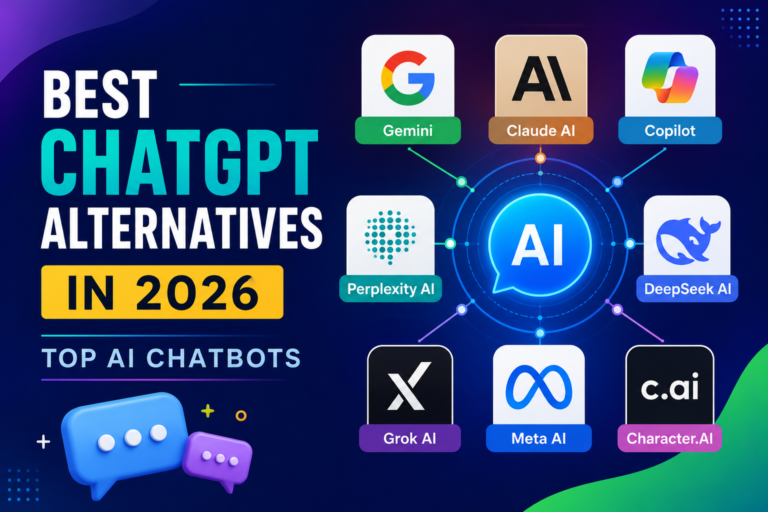
💚 You might also like: Best ChatGPT Alternatives in 2026 | Top AI Chatbots
Breakthroughs in AI Vision Systems for Robotics
AI vision systems have become one of the most important innovations in modern robotics. These technologies enable robots to see, understand, and react to their surroundings with remarkable accuracy. Powered by computer vision, machine learning, and advanced sensors, robotic vision systems can recognize objects, interpret environments, and make intelligent decisions in real time. According to research published by MIT and Stanford, advancements in AI perception have significantly improved robotic performance across manufacturing, healthcare, transportation, and logistics.
Computer Vision and Object Recognition
Computer vision allows robots to identify and classify objects using cameras and AI algorithms. By processing visual information, robots can distinguish between products, people, and obstacles with high accuracy. Modern object recognition systems use deep learning models trained on millions of images, helping robots perform tasks more efficiently in dynamic environments.
Real-Time Decision-Making Capabilities
AI vision systems enable robots to make decisions instantly based on environmental data. Instead of relying on pre-programmed instructions, robots analyze visual inputs and respond to changing conditions. This capability improves operational efficiency, enhances safety, and allows robots to function effectively in fast-paced industries such as logistics and manufacturing.
AI-Powered Navigation and Obstacle Avoidance
Advanced robotic vision helps machines navigate complex environments without human assistance. Cameras, LiDAR sensors, and AI algorithms work together to detect obstacles and determine safe routes. These technologies are widely used in autonomous mobile robots, self-driving vehicles, and warehouse automation systems where precision and safety are essential.
Emerging Trends in Robotic Perception
Emerging trends include multimodal perception, 3D environmental mapping, and AI-powered scene understanding. Researchers are developing systems that combine visual, audio, and sensor data to improve robotic awareness. These innovations enable robots to interpret complex environments more accurately and perform sophisticated tasks with greater reliability and autonomy.
AI Robotics Innovations in Agriculture and Food Production
Agriculture is experiencing a major transformation through artificial intelligence and robotics. Farmers are increasingly adopting intelligent machines to improve productivity, reduce labor shortages, and enhance crop quality. AI-powered agricultural robots can analyze field conditions, monitor plant health, and automate repetitive farming tasks. According to the Food and Agriculture Organization, global food production must increase significantly to meet future population demands. Robotics helps address this challenge by enabling precision agriculture, reducing waste, and optimizing resource usage. These innovations are making farming more efficient, sustainable, and capable of supporting long-term food security goals.
Precision Farming Robots
Precision farming robots use AI, sensors, and GPS technologies to perform highly targeted agricultural tasks. These robots can plant seeds, apply fertilizers, and remove weeds with exceptional accuracy. By minimizing resource waste and improving efficiency, precision farming helps farmers increase yields while reducing environmental impact and operational costs.
Autonomous Harvesting Technologies
Autonomous harvesting robots are designed to identify ripe crops and collect them efficiently. Using computer vision and machine learning, these systems can distinguish between mature and immature produce. This technology reduces labor dependency, improves harvesting speed, and helps farmers maintain consistent quality throughout the production process.
AI-Based Crop Monitoring Systems
AI-powered monitoring systems analyze crop health through drones, cameras, and remote sensors. These tools detect diseases, nutrient deficiencies, and water stress before visible symptoms appear. Early detection allows farmers to take corrective action quickly, improving crop yields while minimizing losses caused by pests and environmental conditions.
Sustainable Agriculture Through Robotics
Robotics supports sustainable farming by reducing chemical usage, optimizing irrigation, and improving land management practices. AI systems help farmers make data-driven decisions that conserve resources while maintaining productivity. As environmental concerns grow globally, intelligent agricultural technologies are becoming essential for creating more sustainable food production systems.
💚 You might also like: The Future of Robotics and Artificial Intelligence
Service Robots Reshaping Everyday Life and Businesses
Service robots are becoming increasingly common in homes, offices, hospitals, hotels, and retail environments. Powered by artificial intelligence, these robots can interact with people, perform routine tasks, and provide personalized assistance. Advances in natural language processing and machine learning have made service robots more capable and user-friendly than ever before. Market research from industry analysts predicts substantial growth in the service robotics sector over the coming decade. As businesses seek efficiency and consumers embrace convenience, AI-powered service robots are transforming everyday experiences and redefining customer engagement across industries.
AI Robots in Hospitality and Retail
Hospitality and retail businesses are using AI robots to improve customer experiences and streamline operations. Robots assist with check-ins, product recommendations, inventory management, and customer support. These solutions help businesses reduce operational costs while delivering faster and more personalized services to customers.
Customer Service and Virtual Assistance Integration
Modern service robots often integrate with virtual assistants and AI chat systems. This combination allows robots to answer questions, provide guidance, and resolve customer issues efficiently. Enhanced communication capabilities improve customer satisfaction while enabling organizations to deliver consistent support across multiple channels.
Smart Home Robotics Innovations
Smart home robots have evolved beyond simple cleaning devices. Today’s systems can monitor security, manage household tasks, and interact naturally with family members. AI enables these robots to learn user preferences and adapt their behavior, creating more personalized and convenient home environments.
Benefits for Businesses and Consumers
Service robots offer advantages for both organizations and individuals. Businesses benefit from increased efficiency and reduced operational costs, while consumers enjoy faster service and improved convenience. As AI capabilities continue advancing, service robots are expected to deliver even greater value across various industries and everyday applications.
Emerging AI Robotics Trends Driving the Future
The future of robotics is being shaped by rapid advances in artificial intelligence, computing power, and intelligent automation. New technologies are enabling robots to learn faster, adapt to unfamiliar situations, and perform increasingly complex tasks with minimal human supervision. Research from leading institutions such as MIT, Carnegie Mellon University, and Stanford highlights how next-generation AI models are accelerating robotic innovation. From reinforcement learning and edge computing to swarm intelligence and digital twins, these emerging trends are expanding what robots can achieve. As adoption grows, these technologies will influence nearly every major industry worldwide.
Reinforcement Learning in Robotics
Reinforcement learning allows robots to improve performance through trial and error. By receiving rewards for successful actions, robots learn optimal behaviors over time. This approach is particularly useful in dynamic environments where pre-programmed instructions are insufficient, enabling machines to become more adaptable, efficient, and autonomous in real-world applications.
Edge AI and Real-Time Processing
Edge AI enables robots to process data directly on devices rather than relying on cloud computing. This reduces latency and improves response times, which is essential for critical operations. Real-time processing enhances safety, efficiency, and reliability, allowing robots to make immediate decisions in rapidly changing environments.
Swarm Robotics and Multi-Agent Systems
Swarm robotics involves multiple robots working together as a coordinated system. Inspired by natural behaviors observed in ants and bees, these robots communicate and collaborate to accomplish tasks efficiently. Swarm intelligence improves scalability, flexibility, and problem-solving capabilities across logistics, disaster response, and industrial operations.
Digital Twins and Simulation-Based Learning
Digital twins are virtual replicas of physical robots and environments. These simulations allow engineers to test scenarios, optimize performance, and identify potential issues before deployment. Simulation-based learning reduces development costs, accelerates innovation, and helps organizations implement robotic systems with greater confidence and efficiency.
💚 You might also like: AI and Security Automation for Cyber Defense
Challenges, Risks, and Ethical Considerations of AI Robotics
Despite remarkable advancements, AI-powered robotics presents several challenges that organizations and policymakers must address. As robots become more autonomous, concerns regarding privacy, cybersecurity, workforce disruption, and ethical decision-making continue to grow. According to reports from the World Economic Forum, responsible AI governance is becoming increasingly important as automation expands across industries. Balancing innovation with accountability is essential for maintaining public trust and ensuring that robotic technologies deliver long-term benefits. By addressing these concerns proactively, businesses can maximize opportunities while minimizing risks associated with intelligent automation systems.
Data Privacy and Security Concerns
AI robots collect and process significant amounts of data to function effectively. This raises concerns about privacy, unauthorized access, and cyber threats. Organizations must implement robust security measures, encryption protocols, and compliance frameworks to protect sensitive information and maintain user trust in robotic systems.
Workforce Transformation and Job Displacement
Automation may reduce demand for certain repetitive jobs while creating opportunities in technology, engineering, and robotics management. Studies from the World Economic Forum suggest that workforce transformation will require ongoing reskilling and education. Organizations must prepare employees for evolving roles within increasingly automated workplaces.
AI Bias and Decision Transparency
AI systems can inherit biases from training data, potentially leading to unfair or inaccurate decisions. Transparency is essential for understanding how robotic systems reach conclusions. Developers must prioritize responsible AI practices, diverse datasets, and regular audits to ensure fairness, accountability, and ethical performance.
Regulatory and Compliance Challenges
Governments worldwide are developing regulations to address the growing use of AI and robotics. Compliance requirements often involve safety standards, data protection, and ethical considerations. Organizations must stay informed about evolving regulations to ensure legal compliance while supporting innovation and responsible technology adoption.
💚 You might also like: AI vs Human Creativity: Who Wins in 2026?
Future Outlook of Artificial Intelligence-Powered Robotics
Artificial intelligence and robotics are expected to become even more interconnected over the next decade. Advances in machine learning, generative AI, sensor technologies, and autonomous systems will enable robots to perform tasks that were once considered impossible. Industry analysts predict strong growth in the global robotics market as organizations invest in intelligent automation to improve efficiency and competitiveness. Future robots will likely work more closely with humans, providing support across healthcare, manufacturing, logistics, education, and public services. These developments will create new opportunities while transforming how people live and work.
Upcoming Innovations Expected in the Next Decade
Future innovations may include highly adaptive humanoid robots, autonomous service systems, advanced robotic assistants, and self-learning industrial machines. Continued progress in AI models and sensor technology will improve robotic intelligence, enabling more natural interactions and greater independence across a wide range of applications.
Impact on Businesses and Society
AI-powered robotics will help organizations improve productivity, reduce operational costs, and enhance service quality. Society may benefit from safer workplaces, better healthcare, and improved accessibility. However, successful adoption will depend on balancing technological advancement with ethical responsibility and workforce development initiatives.
Investment Opportunities and Market Growth
The robotics sector continues attracting significant investment from governments, venture capital firms, and technology companies. Growing demand for automation is creating opportunities across manufacturing, healthcare, logistics, and agriculture. Businesses that invest strategically in robotics may gain long-term competitive advantages in evolving markets.
Key Takeaways for Organizations and Individuals
Organizations should focus on adopting robotics strategically while investing in employee training and responsible AI practices. Individuals can benefit by developing skills related to technology and automation. Understanding these trends will help both businesses and workers adapt successfully to the future of intelligent robotics.
Conclusion
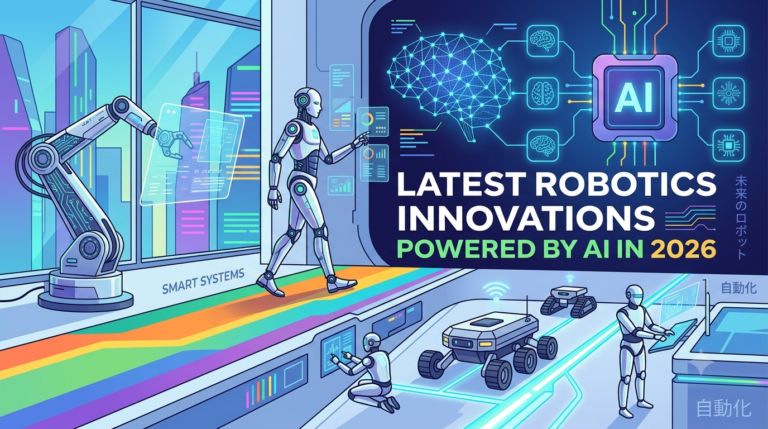
The latest robotics innovations powered by artificial intelligence are transforming industries at an unprecedented pace. From autonomous mobile robots and humanoid assistants to healthcare systems and smart manufacturing solutions, AI is enabling robots to become more intelligent, adaptable, and efficient. Emerging technologies such as reinforcement learning, computer vision, swarm robotics, and edge AI continue to expand robotic capabilities. While challenges related to ethics, security, and workforce adaptation remain, the benefits of intelligent automation are undeniable. As AI and robotics evolve together, they will play a central role in shaping the future of business, society, and global innovation.
Frequently Asked Questions
What are AI-powered robots?
AI-powered robots are machines that use artificial intelligence technologies such as machine learning, computer vision, and natural language processing to perform tasks autonomously. Unlike traditional robots, they can learn from data, adapt to changing environments, and make intelligent decisions with minimal human intervention.
How is artificial intelligence improving robotics?
Artificial intelligence enhances robotics by enabling machines to learn, analyze data, recognize patterns, and make decisions. These capabilities improve accuracy, flexibility, and efficiency, allowing robots to perform complex tasks in industries such as healthcare, manufacturing, logistics, and agriculture.
What industries benefit most from AI robotics?
Industries benefiting significantly from AI robotics include healthcare, manufacturing, logistics, agriculture, retail, and hospitality. These sectors use intelligent robots to automate repetitive tasks, improve operational efficiency, reduce costs, and enhance customer experiences while maintaining high levels of productivity.
Are humanoid robots becoming more intelligent?
Yes, advancements in generative AI, machine learning, and natural language processing are making humanoid robots more intelligent. Modern humanoids can understand conversations, recognize emotions, process visual information, and perform increasingly complex tasks in real-world environments.
What is the role of computer vision in robotics?
Computer vision enables robots to interpret and understand visual information from cameras and sensors. This technology allows robots to recognize objects, navigate environments, avoid obstacles, and make real-time decisions, significantly improving autonomy and operational performance.
What are the biggest challenges facing AI robotics?
Key challenges include data privacy concerns, cybersecurity risks, ethical considerations, regulatory compliance, and workforce adaptation. Organizations must address these issues carefully to ensure responsible deployment and long-term success of AI-powered robotic technologies.
Can AI robots completely replace human workers?
AI robots are unlikely to replace all human workers completely. Instead, they will automate repetitive and predictable tasks while humans focus on creativity, critical thinking, leadership, and strategic decision-making. Human-robot collaboration is expected to become increasingly common across industries.
What is the future of AI-powered robotics?
The future of AI-powered robotics includes more autonomous systems, advanced humanoid robots, intelligent service machines, and highly adaptive industrial automation. Continued advancements in artificial intelligence will enable robots to perform more sophisticated tasks while working closely alongside humans.
✨ Want smarter takes like this? Tap follow on AI Mastars.